

Hur uttalar man hydroxypinakolonretinoat
Publicerad:
2026-10-07
Hur uttalar man Hydroxypinacolone Retinoate
Hur uttalar man Hydroxypinakolonretinoat? Korrekt pinyin, uttal och förklaring av HPR-namnet
Många som för första gången ser namnet "
Hydroxypinakolonretinoat
" tycker att det är ganska långt och vet inte hur man ska uttala det. I själva verket är det inte så komplicerat när man delar upp det kemiska namnet.
Det korrekta uttalet av Hydroxypinakolonretinoat är:
qiǎng jī pín nǎ tóng shì huáng suān zhǐ
det vill säga:
羟(qiǎng)基(jī)频(pín)哪(nǎ)酮(tóng)视(shì)黄(huáng)酸(suān)酯(zhǐ)
。
1. Hur uttalar man varje tecken i Hydroxypinakolonretinoat?
Om det känns svårt att uttala hela namnet på en gång kan man dela upp "Hydroxypinakolonretinoat" i flera delar:
| Text | Pinyin | Uttalsguide |
|---|---|---|
| Hydroxi | qiǎng | Tredje tonen |
| Grupp | jī | Första tonen |
| Frekvens | pín | andra tonen |
| 哪 | nǎ | Tredje tonen |
| keton | tóng | andra tonen |
| se | shì | fjärde tonen |
| gul | huáng | andra tonen |
| syra | suān | Första tonen |
| ester | zhǐ | Tredje tonen |
Så tillsammans blir det:
qiǎng jī pín nǎ tóng shì huáng suān zhǐ
I praktisk kommunikation, om man tycker att den fullständiga kinesiska benämningen är för lång, kan man också direkt använda den engelska förkortningen "
HPR
”。
II. Hur uttalas tecknet "hydroxi"? Varför är det många som lätt uttalar det fel?
I "hydroxipinakolonretinoatester" är det tecken som är lättast att uttala fel oftast det första tecknet "
Hydroxi
”。
I kemiska namn uttalas "羟" som
qiǎng
, tredje tonen. "羟基" uttalas
qiǎng jī
, och är en mycket vanlig term inom kemin.
Därför kan "羟基频哪酮" inte läsas genom att gissa utifrån teckenformen bara för att tecknen är ovanliga; den korrekta uppdelningen är:
hydroxi + pinakolon + retinoat
Tre: Hur uttalas "酯"? Är det zhǐ eller något annat?
Ett annat tecken som är lätt att uttala fel är "
ester
”。
"酯" har pinyin
zhǐ
, tredje tonen.
Därför:
Retinoat: shì huáng suān zhǐ
Hydroxypinakolonretinoat: qiǎng jī pín nǎ tóng shì huáng suān zhǐ
Inom områdena kosmetiska råvaror, fin kemikalieindustri och organisk kemi är "ester" en mycket vanlig kemisk beteckning, till exempel syns den i namn som retinylpalmitat, retinylpropionat och liknande.
4. Hur skriver man hydroxypinakolonretinoat på engelska?
Den engelska beteckningen för hydroxypinakolonretinoat skrivs vanligtvis:
Hydroxypinacolone Retinoate
I material om kosmetiska råvaror, COA, SDS, TDS och utländska råvaruwebbsidor ser man ofta denna engelska beteckning.
Dess vanliga engelska förkortning är:
HPR
Därför är det i samband med råvaruinköp, formuleringutveckling eller internationell handelskommunikation oftast smidigare att direkt säga "HPR" än att säga hela "Hydroxypinacolone Retinoate".
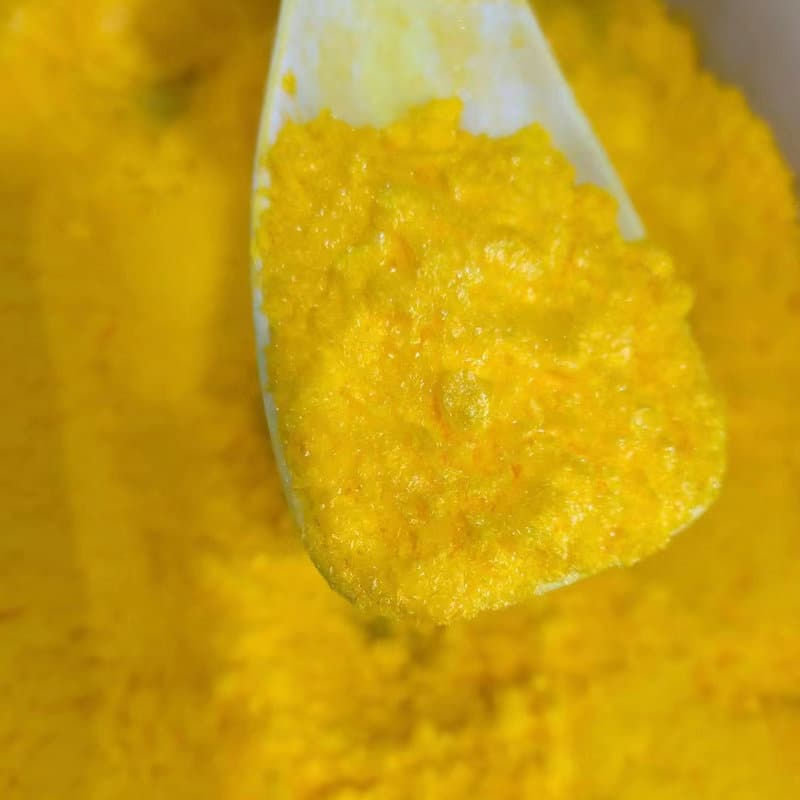
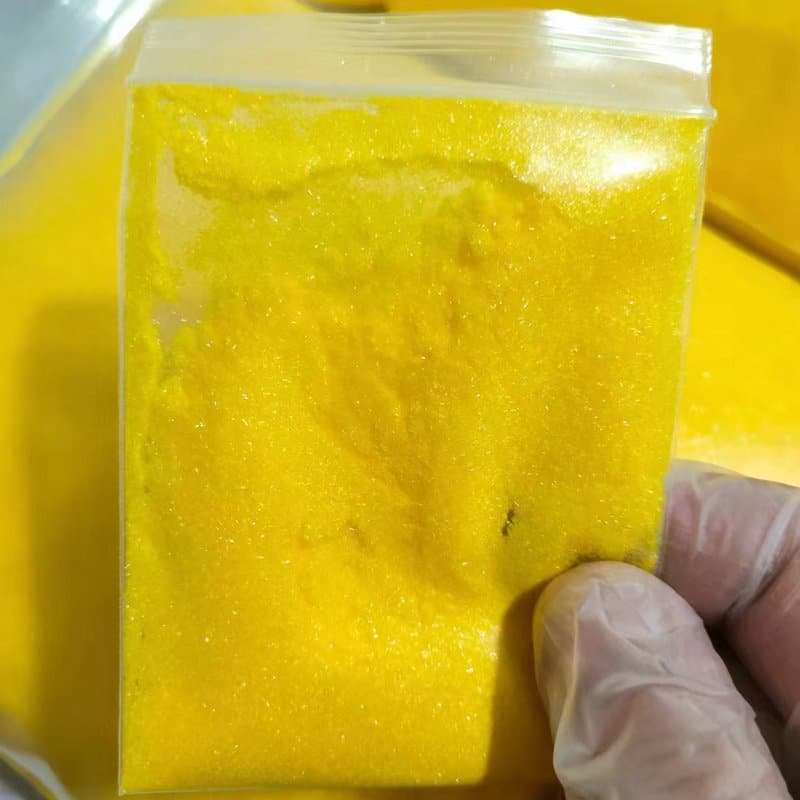
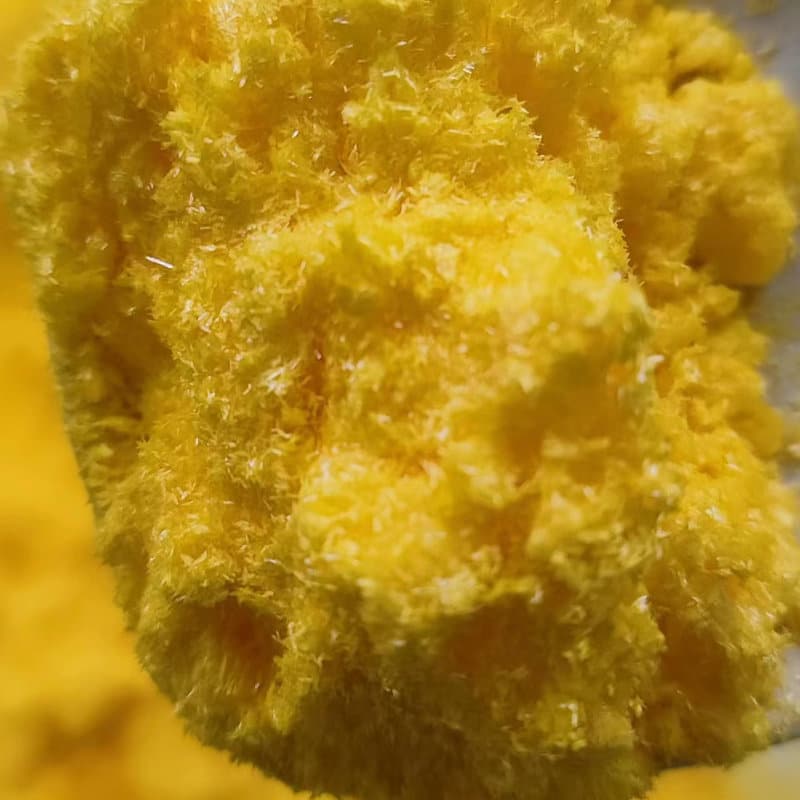
5. Vad är hydroxypinakolonretinoat?
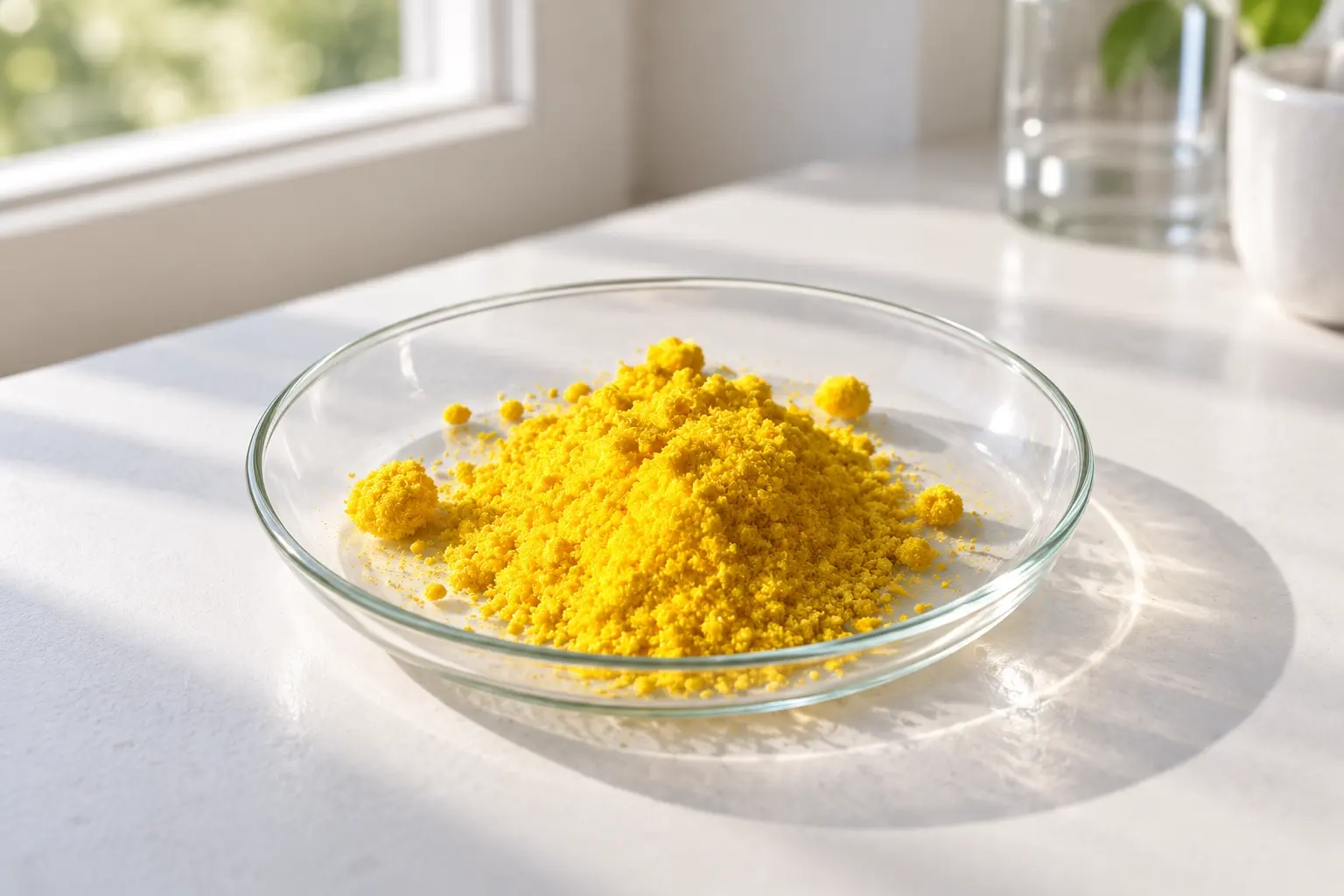
Hydroxypinakolonretinoat, engelskt namn
Hydroxypinacolone Retinoate
vanligen förkortat
HPR
tillhör vitamin A-relaterade kosmetiska ingredienser.
Vid sökning i kemiska databaser kan det även identifieras via CAS-nummer:
Kinesiskt namn:
HydroxypinakolonretinoatEngelskt namn:
Hydroxypinacolone RetinoateFörkortning:
HPRCAS:
893412-73-2Molekylformel:
C26H38O3Molekylvikt:
Cirka 398,58
När du söker efter leverantörer, produktspecifikationer, testdata eller litteratur rekommenderas det att i första hand använda
engelskt namn + CAS-nummer
för verifiering, vilket minskar förvirring som kan uppstå på grund av kinesiska alias eller olika översättningar.
Sex, varför kallas det "hydroxypinakolonretinoat"?
Namnet verkar långt, främst för att det tillhör typen kemiska systematiska namn.
För vanliga konsumenter eller personer som precis har börjat bekanta sig med A-vitaminråvaror finns det inget behov av att tvinga sig att memorera hela namnet bara för att komma ihåg produkten. I praktiskt arbete kan man vanligtvis direkt komma ihåg följande tre punkter:
Kinesiska:
HydroxypinakolonretinoatEngelska:
Hydroxypinacolone RetinoateFörkortning:
HPR
Genom att koppla ihop "HPR" med "hydroxipinakolonretinoat" blir det mycket enklare att söka efter information om råvaran.
7. Vilka vanliga felstavningar finns det av hydroxipinakolonretinoat?
Eftersom namnet är långt kan olika stavningar förekomma vid sökning online eller vid inköpsförfrågningar, till exempel utelämnade tecken, homofoner eller att "ester" skrivs som "fett".
Om det ska användas i officiellt produktmaterial, inköpsavtal, COA, SDS eller produkt sidor på webbplatser rekommenderas att man kontrollerar enhetligt:
Hydroxipinakolonretinoat / Hydroxypinacolone Retinoate / HPR / CAS 893412-73-2
Särskild uppmärksamhet bör ägnas åt att "
ester
" och "
fett
" inte är samma tecken. I det formella kemiska namnet bör korrekt stavning iakttas.
Åtta, varför visas hydroxypinakolonretinoat när man söker på HPR?
Detta beror på att HPR är
Hydroxypinacolone Retinoate
den vanliga förkortningen för, och det motsvarande kinesiska namnet är
Hydroxypinakolonretinoat
。
Därför pekar följande söktermer vanligtvis på samma råvara:
HPR
HPR-råvara
Hydroxypinacolone Retinoate
Hydroxypinakolonretinoat
Hydroxypinakolonretinoat HPR
CAS 893412-73-2
Om du ska köpa in eller begära analysunderlag rekommenderas att ange både produktnamn och CAS-nummer för bekräftelse.
Nio, hur uttalas hydroxypinakolonretinoat? Vanliga frågor
1. Vad är pinyin för hydroxypinakolonretinoat?
Fullständig pinyin är:
qiǎng jī pín nǎ tóng shì huáng suān zhǐ
。
2. Hur uttalas hydroxipinakolon?
"Hydroxipinakolon" uttalas:
qiǎng jī pín nǎ tóng
。
3. Hur uttalas tecknet 羟?
"羟" i "hydroxigrupp" uttalas
qiǎng
, tredje tonen.
4. Hur uttalas tecknet 酯?
"酯" uttalas
zhǐ
, tredje tonen.
5. Vad heter hydroxipinakolonretinoat på engelska?
Det engelska namnet är
Hydroxypinacolone Retinoate
。
6. Vad är förkortningen för hydroxypinakolonretinoat?
Vanlig förkortning är
HPR
。
7. Är HPR och hydroxypinakolonretinoat samma sak?
Här är HPR vanligtvis förkortningen för Hydroxypinacolone Retinoate, vilket motsvarar det kinesiska namnet 羟基频哪酮视黄酸酯. När du söker efter den specifika råvaran kan du verifiera ytterligare via CAS 893412-73-2.
Tio, sammanfattning
Hur uttalar man hydroxypinakolonretinoat?
Korrekt pinyin är:
qiǎng jī pín nǎ tóng shì huáng suān zhǐ
Det som är lättast att uttala fel är "羟" och "酯", "羟" uttalas
qiǎng
och "酯" uttalas
zhǐ
。
Om det fullständiga kinesiska namnet är svårt att komma ihåg kan du också komma ihåg dess vanligare förkortning
HPR
Dess engelska namn är
Hydroxypinacolone Retinoate
, CAS-nummer är
893412-73-2. Vid inköp, testning, produktdokumentation och internationell handelskommunikation kan en samtidig kontroll av både det engelska namnet och CAS-numret göra det möjligt att mer exakt bekräfta den specifika råvaran.
Taggar:
Relaterade nyheter
Effekten av Hydroxypinacolone Retinoate
2026-10-07
Effekten av Hydroxypinacolone Retinoate
2026-10-07
Hur uttalar man hydroxypinakolonretinoat
2026-10-07
Hydroxypinacolone Retinoate pinyin
2026-10-07